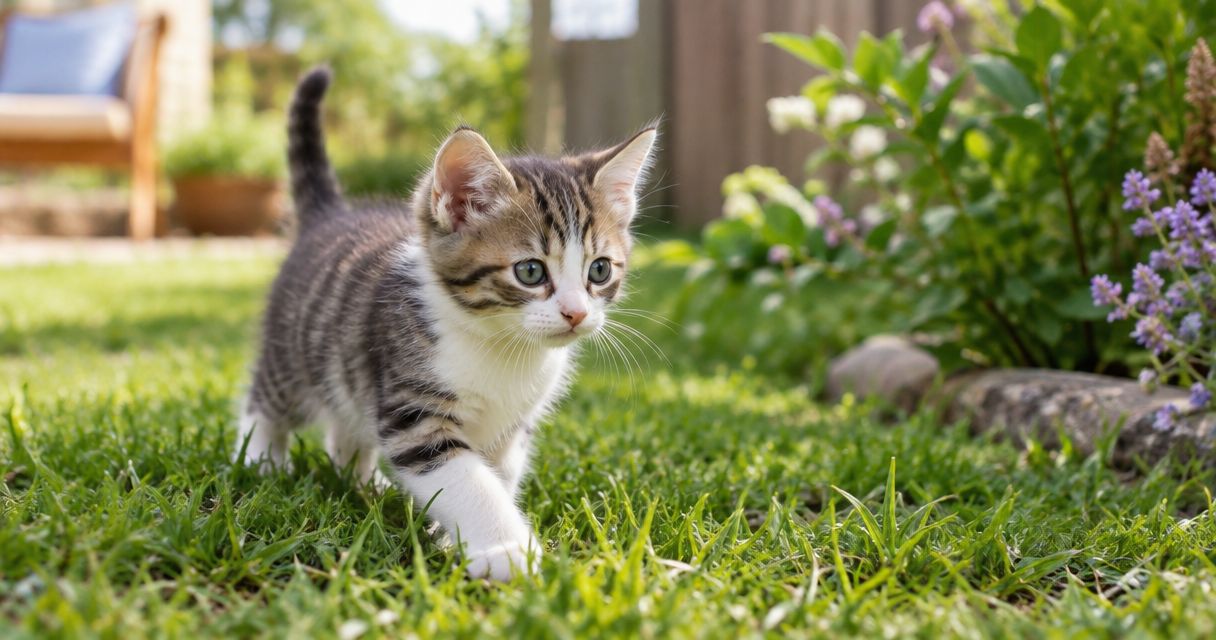
Kittens need to stay indoors until roughly one to two weeks after their final vaccination in the kitten course, which lands around 16 to 18 weeks of age in most cases in 2026. Going outside before then exposes an unprotected kitten to feline panleukopenia, calicivirus and herpesvirus, plus parasites picked up from soil, other cats and shared garden space — even a five-minute lap around the yard carries risk before that window closes.
- Kittens can’t safely go outside until 1-2 weeks after their final vaccination, around 16-18 weeks old.
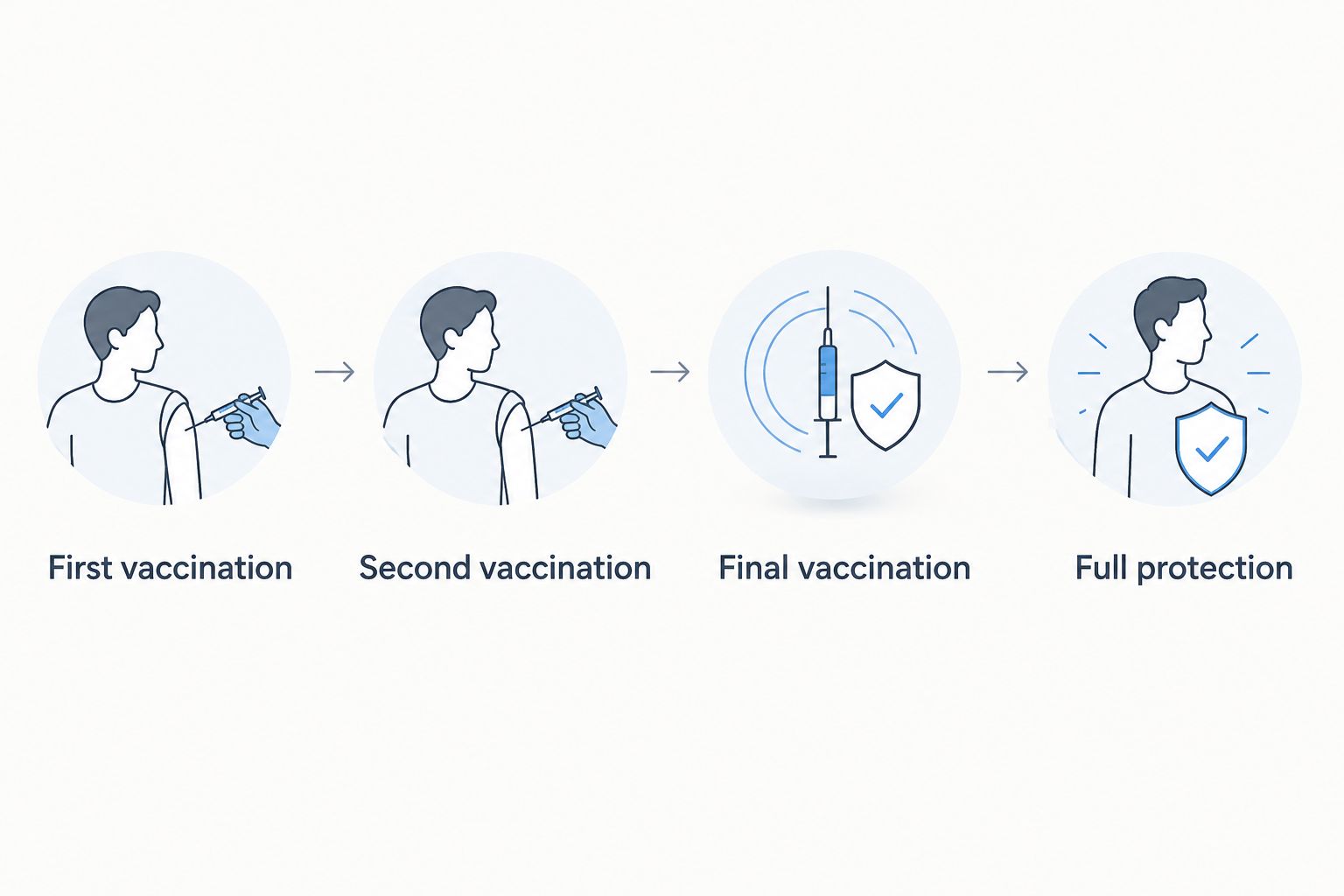
- The kitten vaccination course runs in three rounds: 6-8, 10-12 and 14-16 weeks of age.
- Panleukopenia and calicivirus spread through contact with other cats, contaminated soil and shared surfaces.
- Supervised balcony or courtyard time differs from unsupervised access to communal gardens or footpaths.
- Two by Two Vet books kitten vaccination appointments for pet owners across Balgowlah and the Northern Beaches.
Why this matters
A kitten's immune system isn't finished developing at birth. Maternal antibodies from the mother cat cover the first few weeks of life, but those same antibodies also block vaccines from working properly — which is why kittens need a course of shots spaced weeks apart in 2026, not one jab and done.
Skip the outdoor wait and a kitten can pick up feline panleukopenia (feline parvovirus) from soil or surfaces a sick cat touched months earlier — the virus survives outside the body for a long time and carries a high fatality rate in unvaccinated kittens. That's the hidden cost behind "just a quick trip to the garden": the risk isn't visible until a kitten is already sick.
Can kittens go outside before being vaccinated?
No. The consistent advice from vets across Australia in 2026 is that kittens stay indoors — including secure courtyards and balconies, under supervision only — until they've had the full course and roughly one to two weeks have passed for immunity to build. Here's how the standard timeline breaks down, confirmed against the kitten vaccination schedule most Northern Beaches vets follow:
| Age | Vaccination | Outdoor status |
|---|---|---|
| 6-8 weeks | First vaccination (F3) | Indoors only |
| 10-12 weeks | Second vaccination | Indoors only |
| 14-16 weeks | Third vaccination | Indoors only |
| 16-18 weeks | Immunity builds | Supervised outdoor access can start |
Ages shift slightly depending on when a kitten was first seen and the protocol a clinic follows, so treat this table as a guide rather than a fixed rule for every kitten.
First kitten vaccination: 6-8 weeks of age
The first shot in the course, usually the F3, covers feline panleukopenia, calicivirus and herpesvirus. A kitten this age has zero reliable protection yet — maternal antibodies are fading but the vaccine hasn't had time to build its own response. Indoors only, no exceptions, even for a quick sniff of the garden.
Second kitten vaccination: 10-12 weeks of age
The second round reinforces whatever immunity the first shot started building. Some maternal antibody interference can still block the vaccine at this stage, which is exactly why a single dose was never going to be enough. Kittens stay indoors through this round too.
Final kitten vaccination: 14-16 weeks of age
This is the shot that finishes the core course. By 14-16 weeks, most kittens have lost all maternal antibody protection, so the vaccine can finally do its job without interference. Full-strength immunity still takes another one to two weeks to develop — the jab itself isn't an instant switch.
Full protection: 16-18 weeks of age
Somewhere around 16-18 weeks, a kitten that's had all three rounds is considered fully protected against the core diseases. This is the point where supervised outdoor access can realistically start — on a harness, in a secured yard, or on a balcony with no gaps a kitten could squeeze through. A kitten health check around this age is a good moment to confirm the course is complete and ask about parasite cover before the first outdoor trip.
Why the timeline varies
Not every kitten follows the table exactly. A few things push the schedule earlier, later, or make a vet more cautious about outdoor access even after the final shot:
- Local disease exposure — shared gardens, apartment courtyards and off-leash areas common on the Northern Beaches carry more contact with unknown cats than a fully enclosed property.
- Where the kitten came from — a rescue or shelter kitten may arrive with an incomplete or unverified vaccination history, resetting the clock.
- Multi-cat households — an unvaccinated kitten living with other cats has more day-to-day exposure than one raised alone.
- General health at each visit — a vet may delay a dose if a kitten is unwell, which pushes the whole course later.
- Vaccine protocol differences — some clinics run a slightly different interval between doses depending on the vaccine brand used.
- Boarding or daycare plans — kittens booked into care early need proof of the full course before intake, which can bring the schedule forward on a vet's recommendation.
When can my kitten officially go outside?
Most kittens are ready for supervised outdoor access around 16-18 weeks, one to two weeks after the final vaccination in the course. Before that age, even a securely fenced yard carries risk if another cat has ever walked through it.
Is a harness walk different to unsupervised outdoor access?
A harness walk is safer than free-roaming access but it's not risk-free before full vaccination — a kitten on a lead can still sniff contaminated grass or meet an unvaccinated neighbourhood cat. Wait for the same 16-18 week mark before starting harness walks in public areas.
Can an indoor-only kitten skip vaccination altogether?
No — indoor-only kittens still need the full course because exposure doesn't require going outside. Visitors, other pets, shoes and clothing can carry the panleukopenia virus indoors, and most boarding, grooming and vet clinics require proof of vaccination regardless of lifestyle.
Book your kitten’s vaccination
Same-day and priority slots available for Northern Beaches pet owners.
FAQ
Can kittens go outside before being vaccinated?
No, kittens should stay indoors until roughly one to two weeks after their final vaccination, usually around 16-18 weeks of age in 2026. Before that, they have no reliable protection against feline panleukopenia, calicivirus or herpesvirus.
How many vaccinations does a kitten need before going outside?
A kitten needs the full three-round core course, typically given at 6-8, 10-12 and 14-16 weeks of age, before outdoor access. Skipping a round resets the immunity timeline and delays when outdoor access is safe.
Is it safe to carry my kitten outside before vaccination?
Carrying a kitten outside without letting it touch the ground or other animals carries much lower risk than free access, but it’s not zero-risk before the course is complete. A secure carrier avoids direct contact with contaminated soil or surfaces.
What happens if my kitten goes outside too early?
Going outside before the vaccination course is complete raises the risk of feline panleukopenia, a disease with a high fatality rate in unvaccinated kittens, along with intestinal parasites and other cats’ diseases. Symptoms can take days to appear after exposure.
Can vaccinated kittens still get sick from going outside?
A fully vaccinated kitten has strong protection against the core diseases but can still pick up fleas, ticks and worms outdoors. Parasite prevention still matters even after the vaccination course is finished.
Do indoor-only kittens need the same vaccination schedule?
Yes, indoor-only kittens follow the same 6-8, 10-12 and 14-16 week schedule because exposure can happen through visitors, other household pets or items carried in from outside.
How long after the last vaccination can a kitten go outside?
Most vets recommend waiting one to two weeks after the final vaccination for full immunity to develop, putting most kittens at 16-18 weeks before supervised outdoor access starts.
Does a harness or lead change the vaccination waiting period?
No, a harness reduces exposure risk but doesn’t eliminate it, so the same waiting period until 16-18 weeks still applies before starting harness walks in public spaces.
One last thing
The vaccination course gets most of the attention, but parasite exposure doesn't wait for a kitten to finish its shots — fleas and worms can hitch a ride indoors on another pet or on your shoes well before a kitten ever sets foot outside. Talk to your vet about starting parasite prevention for outdoor cats around the same time as the final vaccination, so a kitten is covered on both fronts the day it's cleared for the yard in 2026.
Related guides