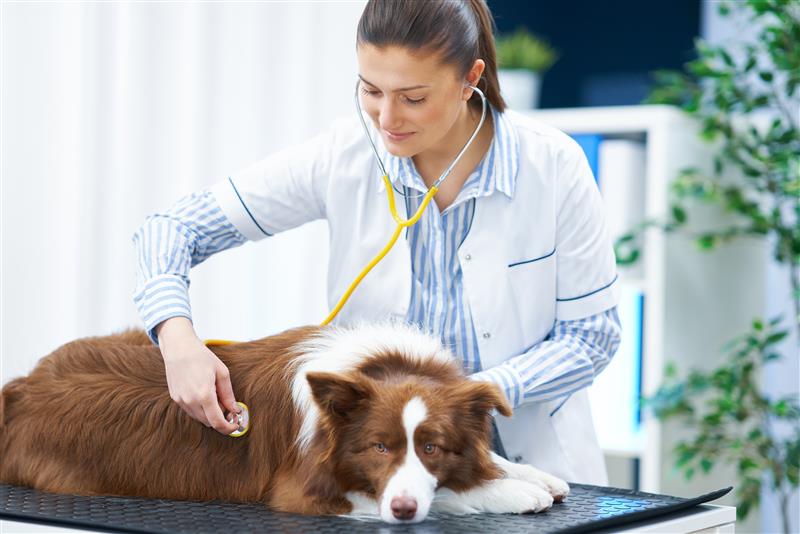
Knowing when to seek emergency veterinary treatment is crucial for safeguarding your pet’s health.
While regular veterinary checkups are important, emergencies require immediate attention.
Early detection of warning signs can save your pet’s life.
At Two by Two Vet, we frequently see situations where major complications could have been avoided with early care.
1. Breathing Difficulties
This is a serious emergency if your pet is having trouble breathing, coughing uncontrollably, or gasping for air.
Conditions such as heart disease, allergic reactions, or airway obstruction may be the cause.
2. Continuous Vomiting or Diarrhoea
While occasional stomach upset is common, frequent vomiting or diarrhoea—especially with blood—requires immediate medical attention from a veterinary Northern Beaches professional.
Dehydration can occur rapidly, particularly in smaller animals.
3. Abrupt Lethargy or Collapse
If your usually active pet suddenly becomes weak, collapses, or is unresponsive, seek emergency care immediately.
This may indicate internal bleeding, poisoning, or a serious illness.
4. Injury or Trauma
Accidents such as being hit by a car or falling from a height should always be treated as emergencies—even if your pet appears normal.
Internal injuries are not always visible.
5. Seizures
Seizures can be frightening and dangerous. Seek immediate veterinary care, especially if it’s the first occurrence or happens repeatedly.
6. Consumption of Hazardous Materials
Many everyday items are toxic to pets, including chocolate, certain plants, and medications.
If ingestion is suspected, contact your veterinarian immediately.
7. Inability to Urinate
Straining or inability to urinate is particularly dangerous, especially in male cats and dogs.
This condition can quickly become life-threatening.
Why Quick Action Is Important
Delaying treatment can turn a minor issue into a life-threatening emergency.
While routine health checkups help detect underlying problems early, emergencies still require immediate action.
Be Prepared
- Keep your veterinarian’s contact information easily accessible
- Locate the nearest emergency clinic in advance
- Monitor your pet’s normal behaviour regularly
Concluding Remarks
Trust your instincts—if something feels wrong, it’s better to act quickly.
Your pet will stay safe, healthy, and happy with prompt care and regular checkups at
Two By Two Vet