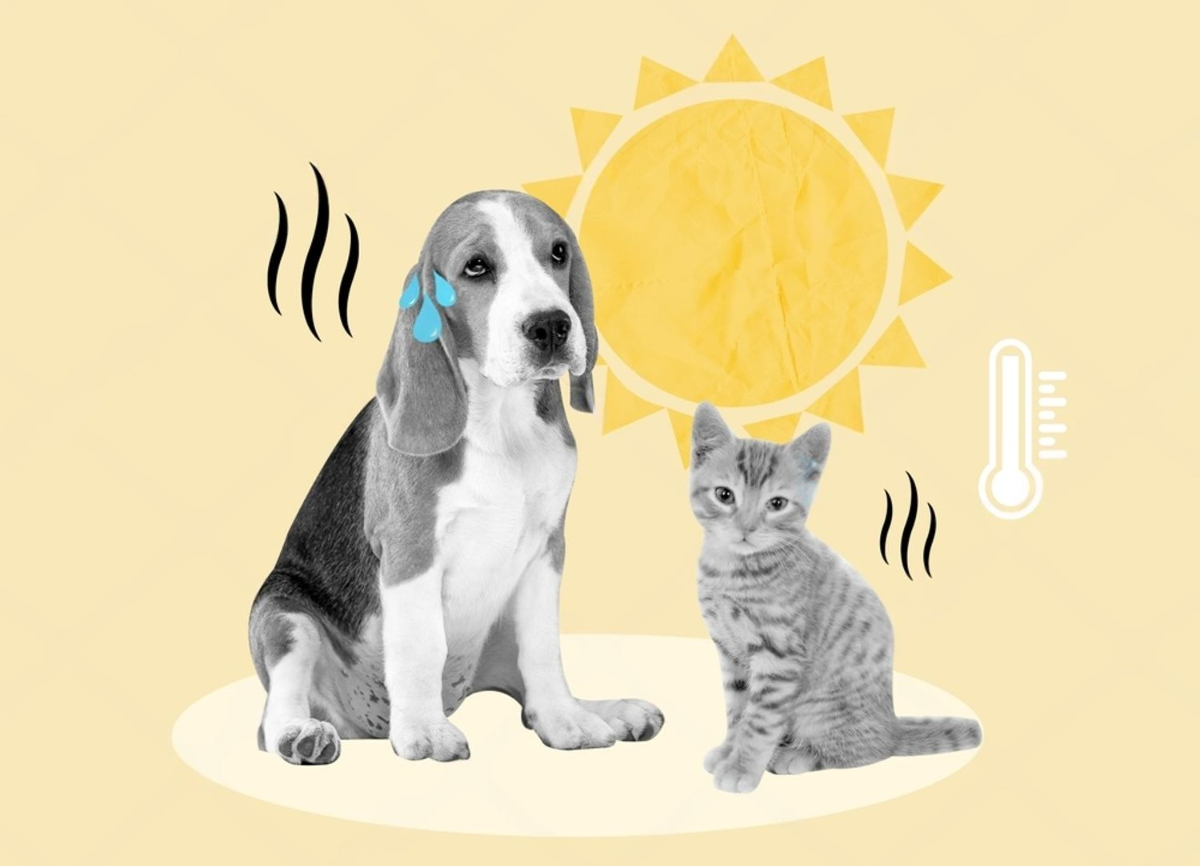
Australia’s summers are known for being very hot, with lots of sunshine and intense heat. Many of us enjoy the warm weather, but our pets may find it harder to cope. During the summer, we see more heat-related cases at our Northern Beaches vet clinic, including dehydration, heatstroke, and burned paws. At Two By Two Vet Balgowlah, we often treat pets struggling with extreme temperatures.
The good news? With the right care and a few simple steps, you can keep your pet healthy and comfortable even in the hottest months. Whether you have an energetic dog or a relaxed cat, these tips will help you keep your pet cool and safe. They’re especially useful for anyone concerned about summer pet health in Australia.
How to Protect Your Pets from Heatstroke and Dehydration During Australian Summers
1. Hydration is essential
Pets need more water to keep hydrated in hot weather, just like people do. Always give them fresh, cool water, and you might want to add extra bowls around the house and yard to make it easier for them to drink. For dogs that like treats, peanut butter on frozen pet-safe broths or ice cubes can be a tasty treat.
Your pet may be dehydrated if it looks tired, pants a lot, has droopy eyes, or has gums that are dry. For help, call your trusted vet in the Northern Beaches right away or reach out to the team at Two By Two Vet for guidance.
2. Work out when it’s cooler
Don’t walk your dog in the middle of the day when it’s hot. Instead, take walks early in the morning or late at night when it’s a little cooler. This is better for your pet’s comfort and also lowers the chance that their paw pads will get burned on hot pavement, which is a common but often missed danger.
A five-second test can help you figure out if the ground is too hot: put your hand on the street. If it’s too hot for you, then it’s too hot for your dog too. This simple step can protect your summer pet from unnecessary pain.
3. Keep an eye out for signs of heat stress
Heat exhaustion can quickly turn into heatstroke, which is very dangerous and can kill. Here are some signs to look out for:
-
Heavy breathing
-
Drooling
-
Throwing up or having diarrhoea
-
Feeling weak or falling over
-
Gums that are bright red or pale
If any of these things happen to your pet, put them somewhere cool and shady and call your Northern Beaches vet clinic right away. While you call for help, putting cool (not cold) water on their paws and belly can help reduce their temperature. The team at Two By Two Vet Balgowlah is trained to respond quickly to heat emergencies.
4. Make sure there is shade and air flow
Make sure your pet has a lot of shade and airflow whether it’s inside or outside. When your pet is outside, they should be able to go to a shady spot during the day. When they are inside, they should have access to fans or air conditioning during very hot days.
Even for a short time, never leave your pet in your car. The temperature can rise quickly and kill them. Many vet clinics in the Northern Beaches report cases every year related to heat exposure in cars.
5. Continue to protect them from fleas, ticks, and worms
Not only does warm weather bring out the sun, but it’s also the best time for fleas, ticks, and other pesky bugs. It is very important to treat your pet before it gets bitten, has an allergic reaction, or even gets a dangerous disease like tick paralysis.
Your pet will be safe all year if you take them to the vet centre in the Northern Beaches for regular check-ups. This also gives your vet a chance to ensure that pet vaccinations are up to date.
6. Don’t forget to get your pet vaccinated
In the summer, people often spend more time outside and with others, whether they’re at the beach, a dog park, or a boarding kennel while you are away on holiday. Because of this, it is more important than ever for pets in the Northern Beaches to get vaccinated. Getting your pet vaccinations updated keeps them safe from getting diseases that spread and protects other pets in the area.
Get in touch with your Northern Beaches veterinarian or the team at Two By Two Vet to make sure your pet is up to date on their shots.
7. Fun Ways to Stay Active Without Getting Too Hot
You can still let your pet play outside even though it’s hot outside. Try these fun things that will keep them cool and active:
-
For dogs that love the water, put together a small paddling pool in the shade.
-
To keep your pet busy, use cooling mats or frozen toys.
Being aware and planning ahead are the best ways to keep your pet healthy this summer.
The staff at Two By Two Vet Clinic in Balgowlah is here to help you if you ever need help or have questions. No matter the season, you can count on us to help you take care of your pet, from getting them vaccinated to giving them summer safety tips.
Take care of your pet’s health today to make sure it has a great start to the safe, sunny season. With the right care, every summer pet can stay comfortable and safe.
FAQs
1. How can I keep my pet cool during the hot summer months in Australia?
Provide shade, plenty of water, cooling mats, and avoid outdoor activity during the hottest hours. Indoor play is safer during extreme heat.
2. What are the signs of heatstroke in pets?
Heavy panting, drooling, vomiting, pale gums, and collapse are common signs. Contact your Northern Beaches vet immediately if you notice any symptoms.
3. Is it safe to walk my dog in summer?
Yes, but only early in the morning or late in the evening when temperatures are cooler. Avoid hot pavements to prevent paw burns.
4. How often should I offer water to my pet during summer?
Fresh, cool water should always be available. Pets drink more during hot weather, so refill bowls frequently.
5. Do pets need vaccinations in summer?
Yes. With more outdoor time, social contact, and boarding, keeping up with pet vaccinations in Northern beaches is essential.
6. Should I worry about fleas and ticks during summer?
Yes. Parasites are more active in warm weather. Regular tick and flea prevention is necessary to protect your pet from diseases like tick paralysis.
7. Can indoor pets also get heatstroke?
Yes. Poor ventilation, closed rooms, and lack of airflow can overheat cats and dogs. Ensure good airflow and cool resting areas.