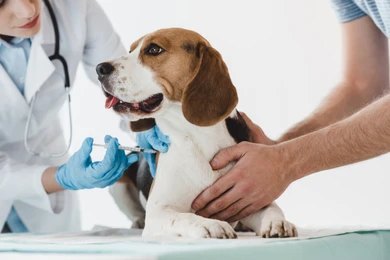
Giving your pet regular vaccinations is one of the most effective ways to keep them healthy and protect them from serious illness. Whether you’re a first-time pet owner or have years of experience, knowing about dog vaccines in Australia, the cat vaccination schedule, and essential vaccines for pets will help you make informed decisions about their care. If you’re in the area, visiting a trusted vet clinic in Manly can ensure your furry friend receives the right protection.
Why Vaccinations Are Important
Pet vaccinations train your pet’s immune system to recognise and fight off dangerous diseases. Without them, pets are at risk of contracting illnesses that can:
-
Cause long-term suffering
-
Require expensive treatments
-
Be life-threatening
Many viruses, such as parvovirus, distemper, and feline calicivirus, spread easily through:
-
Direct contact with infected animals
-
Shared bowls or bedding
-
Contaminated environments
Dog Vaccinations in Australia
Core vaccines for dogs generally protect against:
Canine Parvovirus – a severe disease affecting the digestive system, often fatal.
Canine Distemper Virus – attacks the nervous, respiratory, and digestive systems.
Canine Adenovirus (Hepatitis) – can cause liver damage and other serious complications.
Your vet in Manly may also recommend non-core vaccines (e.g., kennel cough, leptospirosis) based on your dog’s lifestyle and exposure risk. Following the proper vaccination guidelines for dogs in Australia ensures your dog stays healthy and protected.
Cat Vaccination Schedule
Kittens should start pet vaccinations between 6–8 weeks of age, followed by boosters every 3–4 weeks until they’re 16 weeks old.
Core vaccines for cats include:
Feline Herpesvirus – Causes respiratory illness.
Feline Calicivirus – Another respiratory disease agent.
Feline Panleukopenia – A life-threatening virus affecting cats of all ages.
Outdoor cats may also need vaccines for feline leukemia. Your local vet clinic in Northern Beaches can advise on which vaccines are necessary.
Essential Vaccines for Pets
Your pet vaccination guide should be tailored to factors like:
-
Age
-
Lifestyle
-
Travel habits
-
Health history
For example, an indoor city cat will have different needs than a working farm dog. Your Manly vet will identify the best combination of core and non-core vaccines. Many vet clinics in Northern Beaches now offer tailored services for pet vaccinations, making it easier for pet owners to stay on top of their pet’s health needs.
Keeping Vaccinations on Schedule
Booster shots are essential to maintain immunity. Your vet will:
- Provide a vaccination record
- Send reminders for upcoming boosters
- Combine annual check-ups with preventative care
“Following the correct dog vaccinations Australia guidelines and cat vaccination schedule keeps your pet safe from preventable diseases.
With regular pet vaccinations and timely boosters, your furry friend will enjoy a longer, healthier life.”
Tip: Ask your Manly vet for a customised pet vaccination guide to ensure your pet gets all the essential vaccines they
need.
FAQs
1. When should I start vaccinating my puppy or kitten?
Puppies and kittens typically begin their first vaccinations at 6–8 weeks of age. Boosters follow every 3–4 weeks until around 16 weeks to build strong immunity. Also Clinics like Two By Two Vet help create a safe vaccination schedule tailored to young pets.
2. Do indoor pets still need vaccinations?
Yes. Even indoor pets can be exposed to viruses carried on clothing, shoes, or through brief outdoor exposure. Core vaccines are still recommended to keep them protected.
3. How often do pets need booster shots?
Most pets need annual boosters, although some vaccines last longer. Your vet will set up a schedule based on your pet’s lifestyle and health needs.
4. Are there any side effects after vaccinations?
Mild side effects such as slight fever, soreness, or reduced energy for a day can occur. Serious reactions are rare, but you should contact your vet if symptoms persist.
5. Can vaccinations prevent all diseases?
Vaccinations significantly reduce the risk of major illnesses, but no vaccine offers 100% protection. They do, however, make infections far less severe if they occur.
6. What should I do if my pet misses a booster dose?
If a booster is missed, your Two By Two Vet team can review your pet’s records and adjust the schedule to restore proper immunity.
7. Are vaccination schedules different for older pets?
Senior pets may require modified vaccination plans depending on their health, immunity levels, and medical history. Your vet will recommend what’s safest for them.
8. How do I know which vaccines my pet actually needs?
This depends on your pet’s age, lifestyle, exposure risks, and whether they spend time outdoors or around other animals. A vet assessment helps determine the right plan.
9. Where can I get reliable pet vaccinations in Northern Beaches?
Pet owners often choose Two By Two Vet for safe and professional pet vaccinations in Northern Beaches due to their experienced team and personalised care.