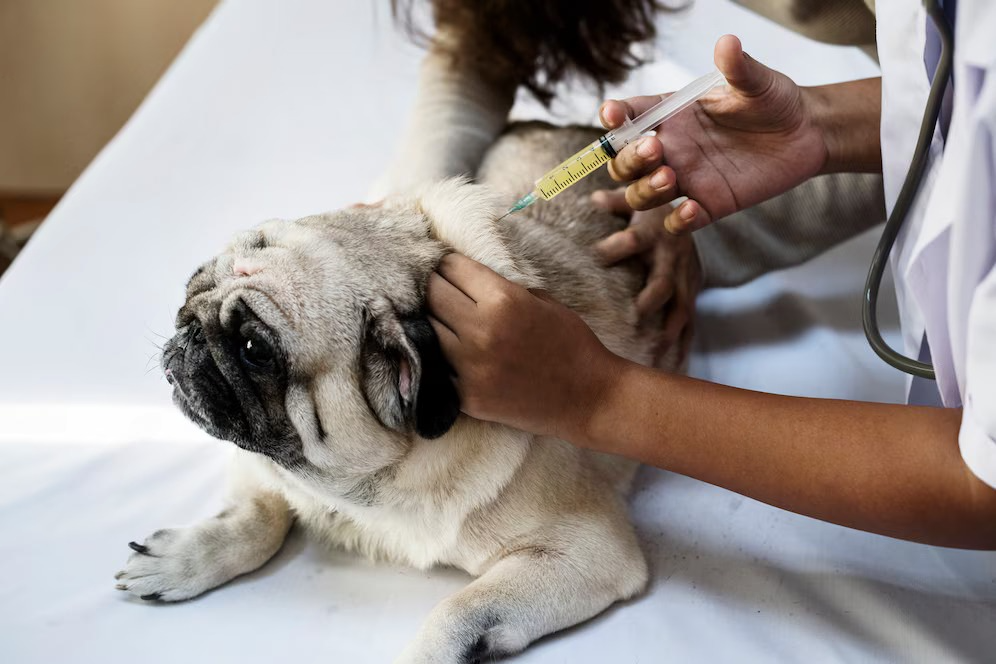
Bringing a new puppy home is exciting, but it also comes with important responsibilities—and vaccination is one of the most important.
role in protecting your puppy during their early months.
Why Puppy Vaccinations Are So Important
Puppies are born with developing immune systems. While their mother’s milk provides some early protection,
this natural immunity fades quickly.
Without timely vaccination, puppies are vulnerable to serious and potentially life-threatening diseases such as:
- Parvovirus
- Distemper
- Hepatitis
- Canine cough
Following the correct vaccination timing helps build strong, long-lasting immunity when puppies need it most.
When to Vaccinate Your Puppy
Vaccinations should begin early and follow a structured schedule. Most puppies receive their first vaccine
between 6 and 8 weeks of age, followed by booster doses at regular intervals.
Delaying or skipping vaccinations can leave your puppy exposed during their most vulnerable stage of development.
Puppy Vaccination Schedule (Vet-Recommended)
Below is a commonly followed vaccination timetable used by veterinary clinics across Australia.
| Puppy’s Age | Vaccination |
|---|---|
| 6–8 weeks | First DHPP vaccination |
| 10–12 weeks | Second DHPP vaccination |
| 14–16 weeks | Third DHPP vaccination |
| 12 months | Booster vaccination |
| Every 1–3 years | Adult boosters (as advised) |
DHPP protects against: Distemper, Hepatitis, Parvovirus, and Parainfluenza.
Note: Rabies vaccination is not required in Australia but may be needed for international travel.
Pro Tip: Even if your puppy appears healthy, vaccinations should never be delayed.
How Often Should Puppies Be Vaccinated?
One vaccine alone does not provide full protection. Puppies need a series of vaccinations because their
immune system matures gradually.
- Vaccines are given every 3–4 weeks
- The initial course continues until 16 weeks of age
- A booster is given at 12 months, followed by adult boosters as recommended
Core vs Non-Core Puppy Vaccinations
Core Dog Vaccines
These are essential for all puppies and protect against highly contagious diseases:
- Parvovirus – Causes severe vomiting and diarrhoea
- Distemper – Affects the respiratory, digestive, and nervous systems
- Canine Hepatitis – Serious liver disease
- Parainfluenza – Contributes to kennel cough
Non-Core Vaccines (Lifestyle-Based)
- Canine cough (Bordetella)
- Leptospirosis
Your veterinarian will recommend non-core vaccines based on your puppy’s lifestyle and environment.
Pro Tip: Avoid public parks and dog play areas until the initial vaccination course is complete.
Why Vaccinating Your Puppy Matters
- Reduces the risk of emergency medical care
- Protects other pets in the community
- Supports long-term health and immunity
Unvaccinated puppies face a significantly higher risk of severe illness during their first year.
When Can Puppies Go Outside After Vaccinations?
- Controlled socialisation after the second vaccination
- Public spaces once the full initial course is complete
This balance supports both disease prevention and healthy social development.
Common Puppy Vaccination Side Effects
Mild side effects may occur and usually resolve within 24–48 hours:
- Temporary tiredness
- Mild swelling at the injection site
- Reduced appetite
Contact your veterinarian immediately if you notice severe reactions such as facial swelling,
vomiting, or breathing difficulty.
Not Sure Which Vaccinations Are Right for Your Puppy?
Book a puppy health check with our veterinary team for personalised guidance.
Book a Puppy Health Check
What Happens If a Puppy Misses a Vaccine?
Missing a scheduled vaccination may leave your puppy unprotected and may require adjustments
to the vaccination schedule.
Contact your veterinarian promptly so protection can be restored safely.
Pro Tip: Keep a vaccination record for boarding, grooming, and training requirements.
Conclusion
A well-timed vaccination plan is one of the simplest and most effective ways to protect your puppy’s health.
With the right schedule and regular veterinary care, you’re giving your puppy the best possible start in life.
Ready to Protect Your Puppy’s Health?
Contact our veterinary team to schedule a vaccination and health check.
FAQs
How many vaccinations does a puppy need?
Most puppies need three initial vaccinations followed by a booster at 12 months.
At what age do puppies get their first shots?
Puppies usually receive their first vaccination at 6–8 weeks of age.
Is it safe to vaccinate a sick puppy?
Vaccination is best done when puppies are healthy. Always inform your vet if your puppy is unwell.
Are puppy vaccinations mandatory in Australia?
While not legally mandatory, puppy vaccinations are strongly recommended to protect against preventable diseases.
Can Two By Two Vet help if my puppy has missed a vaccine?
Yes. If your puppy has missed a scheduled vaccine, the veterinarians at Two By Two Vet will safely adjust the puppy shot schedule to ensure your pet remains protected without unnecessary repetition.
Does Two By Two Vet provide puppy vaccination services?
Yes. Two By Two Vet offers complete puppy vaccination services, following current veterinary guidelines to protect your puppy against common and serious diseases.